Meet the cast
Most shows would introduce their characters here — names, roles, a line about who is the funny one. We can't do that, because nobody in Hungry Clione has a name. Nobody has a role. Nobody has ever said a word.
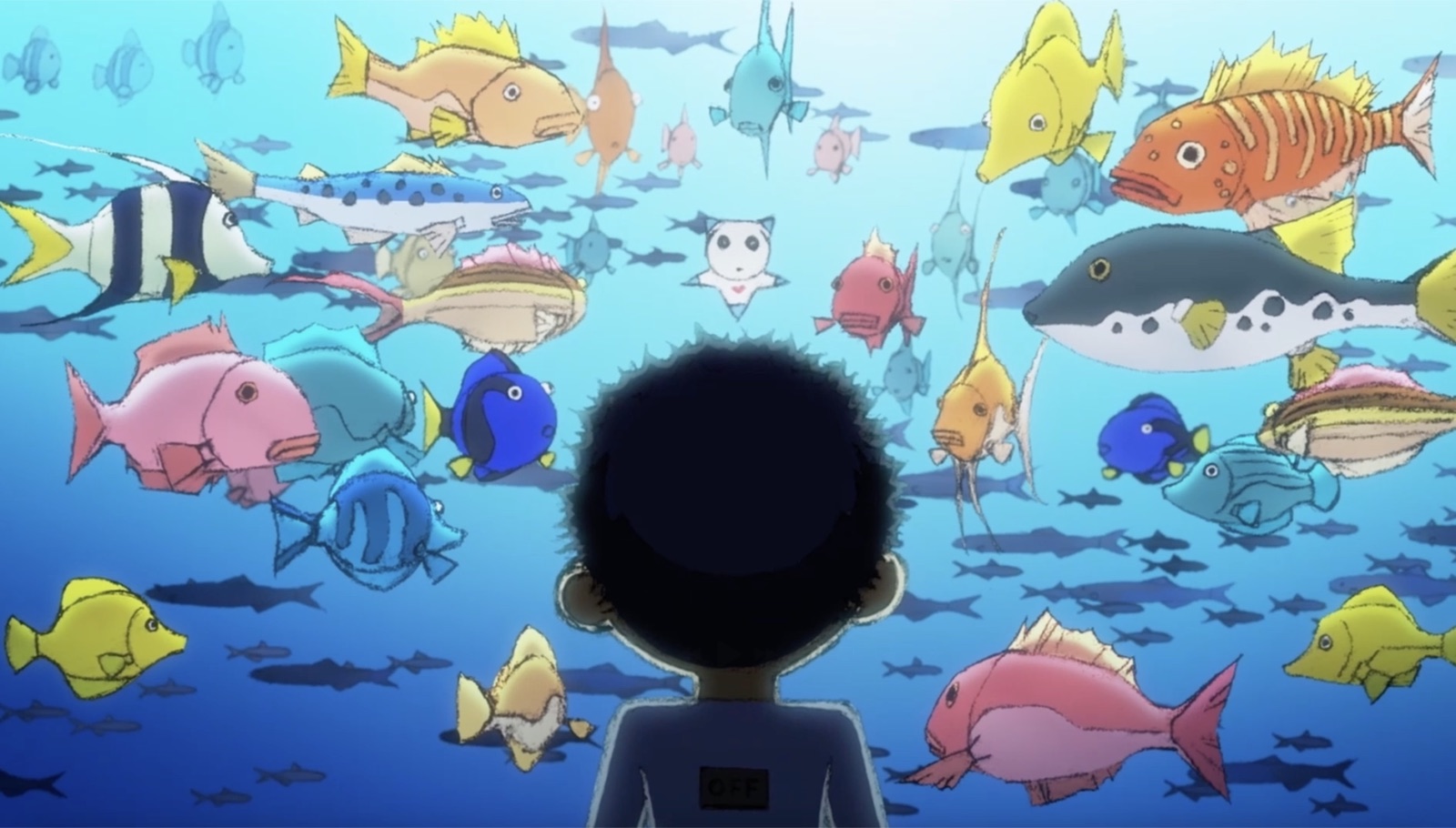
The cast is the ocean itself: fish, crabs, whales, turtles, things with too many legs, and — sometimes, at the edge of the frame — a human. None of them are labelled. The series never tells you that one is a mother or another is a thief; if a scene makes you feel that, the feeling is yours, and we won't correct you. In the deep, a character is defined by exactly one thing: what it is hungry for.
Clione has no fixed personality. Who he is depends on the episode — and on who is watching.
Even our lead refuses to be cast. In one episode Clione is patient; in another he is sudden. He keeps no continuity between his worlds and owes you no explanation. The only thing he carries from episode to episode is the hunger.
How stillness becomes dread
Animating a wordless cast means the acting happens in motion alone — and in the spaces between motion. A drift that lasts one beat too long. A pause where a lesser scene would cut away. Silence on the soundtrack is matched by stillness on the screen, and the stillness is where the unease lives.
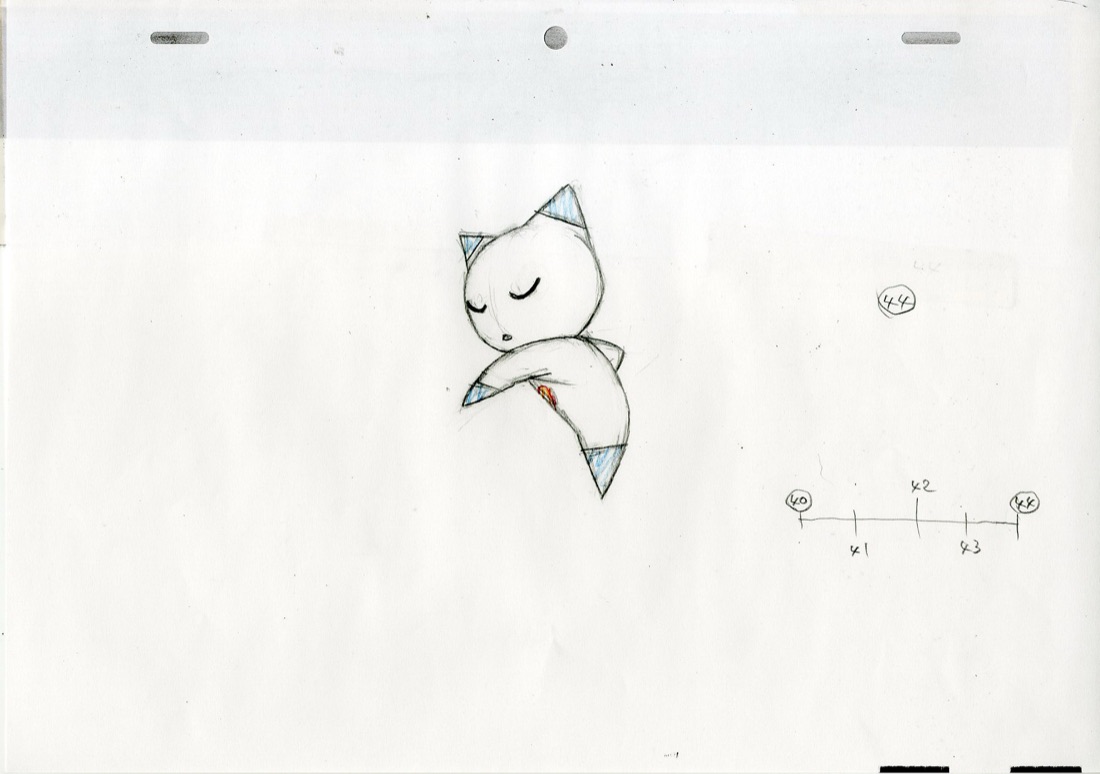
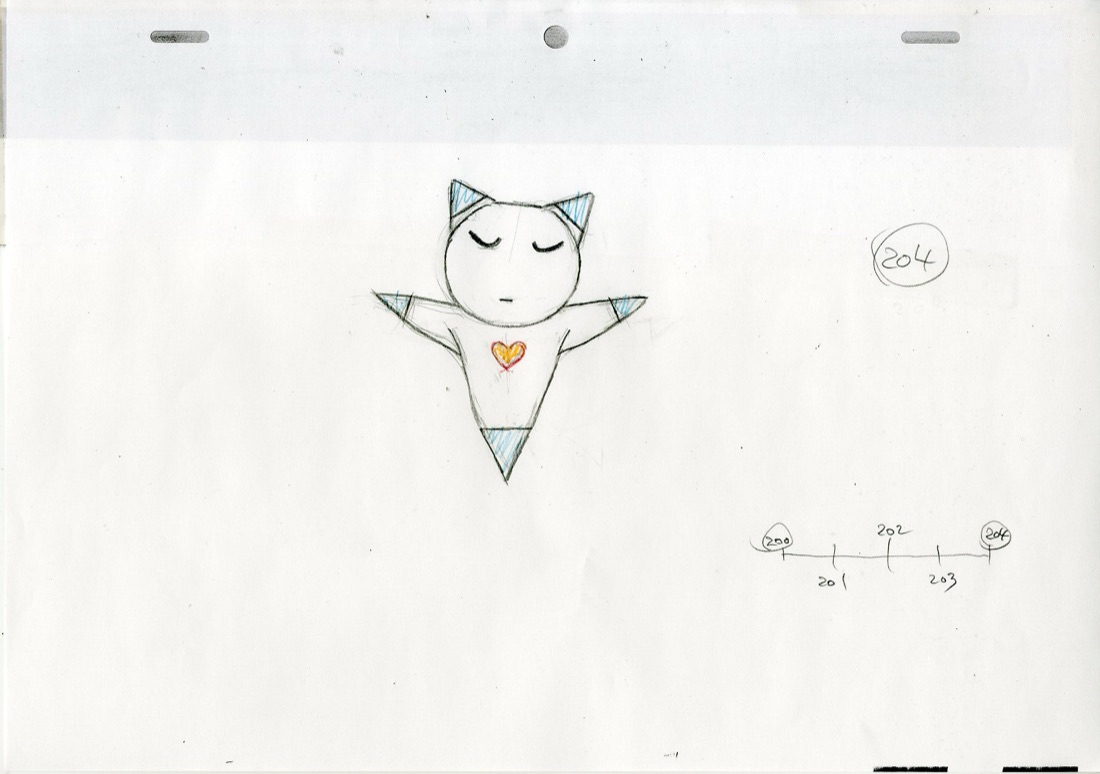
Every one of those beats is drawn in pencil on numbered animation paper, with the timing charts worked out by hand in the corner of the sheet. Frame by frame, drawn, checked, drawn again. When the movement finally plays back smooth and slow and a little too calm — that calm took hundreds of sheets.