
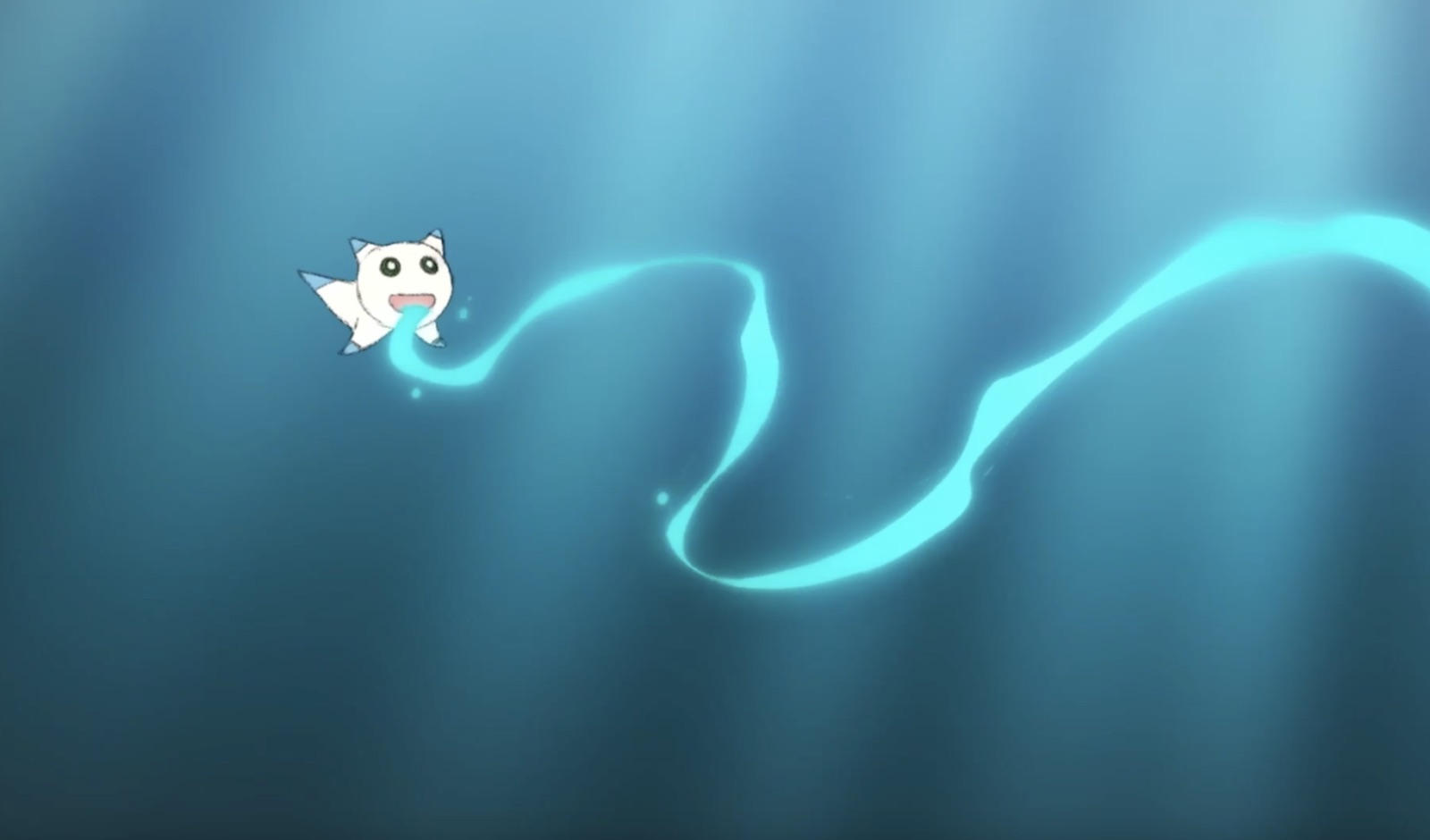
What is Hungry Clione?
There is a creature in the cold parts of the ocean called a sea angel. It is small, translucent, and it looks like something a child would draw to mean "gentle." Its real name is Clione limacina — and it is a predator.
When it feeds, hooks unfold from inside its head. There is no malice in this. There is no cruelty. There is only hunger, the oldest instruction in the world. That contradiction — angelic and merciless in the same small body — is where this series begins.
Every animal eats. Only one cooks.
Humans are the only animals that cook their food, and the only ones that grieve for their prey. Everything else simply eats. Hungry Clione is animation about that fact: nature as it actually is, without a narrator to soften it, without a moral waiting at the end. No heroes. No villains. Nobody is good or bad in the deep — they are only hungry, or eaten, or both.
We won't tell you what Clione is, or why he does what he does. Whatever you saw — that's what happened.
A story with no words
No episode contains a single line of dialogue. This is not a limitation; it is the design. A story told without language needs no translation and carries no border — it lands in Tokyo and in Toronto in the same breath. And silence does something else, too: it leaves room. Where there is no narration, the viewer finishes the story themselves. Two people can watch the same ninety seconds and walk away with two different endings, and both are right.
The tone lives in a narrow, deliberate place: eerie, not horror. Charming, not safe. Clione drifts through bright reefs, sunken ships, space stations, and stranger places — he has no fixed home, no fixed personality, and no backstory we will ever confirm. Each episode is its own small world. The only constant is the hunger.
Drawn by hand
Every movement in the series begins as pencil on animation paper — numbered sheets, hand-drawn timing charts, one frame at a time. The unease you feel watching him is hand-made. We think you can tell.